

27 Mar Cortisol and Stress
Cortisol & Stress: How Your Body Responds to Life’s Demands
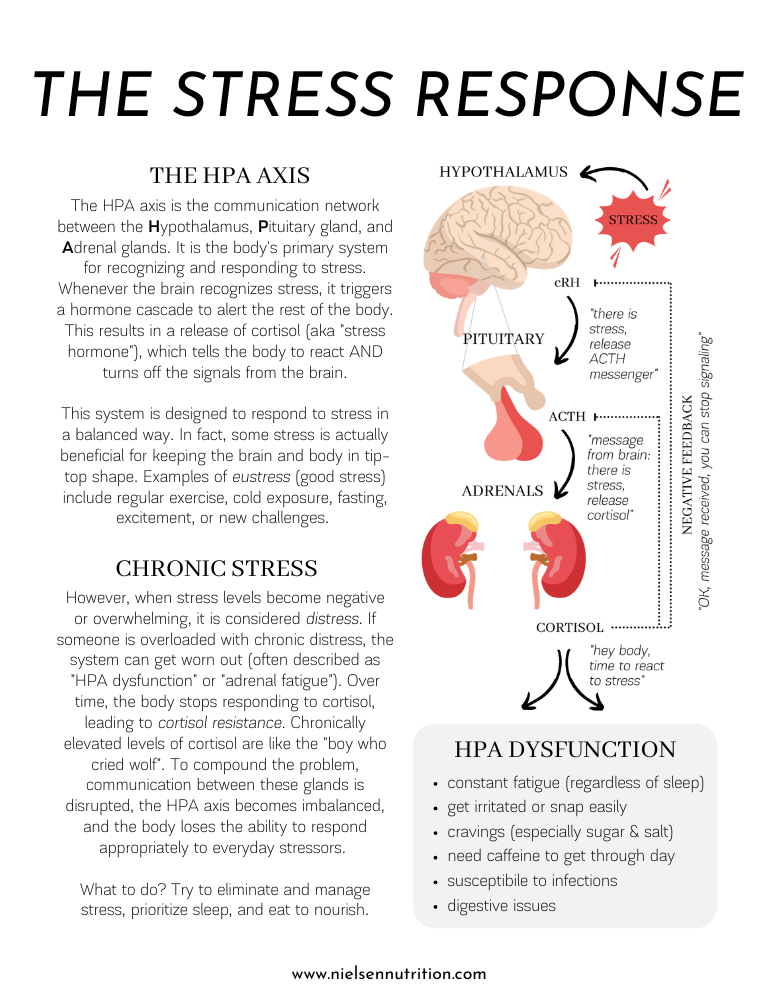
Cortisol, often called the “stress hormone,” plays a critical role in how your body responds to daily challenges. While it’s essential for energy, metabolism, and inflammation control, chronic stress can throw this hormone off balance, leading to fatigue, weight gain, and hormone imbalances. In this blog post, we’ll explore how cortisol functions, the effects of chronic stress on hormone health, and natural ways to bring balance back to your body.
What is Cortisol?
Cortisol is produced by the adrenal glands and helps regulate key functions such as:
- Metabolism: Helps manage blood sugar and energy levels
- Inflammation Control: Reduces inflammation in response to injury or illness
- Blood Pressure: Supports cardiovascular health
- Sleep-Wake Cycle: Works in sync with your circadian rhythm
When stress levels rise, cortisol increases to help your body cope. This is useful in short bursts, but long-term stress can lead to dysregulation.

Chronic Stress & Cortisol Dysregulation
Ongoing stress—whether from work, relationships, poor sleep, or even over-exercising—can keep cortisol levels elevated for too long. This can lead to:
- Weight Gain & Sugar Cravings: High cortisol increases blood sugar, which can contribute to cravings and fat storage (especially around the belly).
- Fatigue & Energy Crashes: Disrupted cortisol rhythms lead to morning sluggishness and afternoon energy dips.
- Hormonal Imbalances: Cortisol affects estrogen, progesterone, and thyroid function, impacting menstrual cycles, metabolism, and mood.
- Poor Sleep: Cortisol should be highest in the morning and lowest at night, but chronic stress can keep levels high, making it hard to fall asleep or stay asleep.
How to Balance Cortisol Naturally
The good news is that you can support healthy cortisol levels with lifestyle and nutrition changes. Here’s how:

1. Prioritize Stress Management
- Try breathwork, meditation, or gentle yoga to activate the parasympathetic nervous system.
- Take breaks throughout the day to reset your nervous system and avoid burnout.
2. Optimize Nutrition
- Balance blood sugar by including protein, healthy fats, and fiber in meals.
- Reduce processed foods and refined sugars, which can contribute to blood sugar spikes and crashes.
- Include adaptogenic herbs like ashwagandha and rhodiola, which help regulate stress responses.
3. Support Your Circadian Rhythm
- Get morning sunlight exposure to regulate cortisol and melatonin levels.
- Wear blue light blockers when the sun goes down and/or adjust the settings on your phone to night mode/warmer color tones. Even better just avoid screens before bed to prevent blue light from disrupting sleep hormones.
4. Gentle Movement & Recovery
- Swap high-intensity workouts for walking, Pilates, or strength training if you feel fatigued.
- Prioritize rest and active recovery to prevent stress overload.
Final Thoughts
Cortisol is essential, but when stress becomes chronic, it can wreak havoc on hormone balance. By supporting your body with stress management, nutrient-dense foods, and healthy lifestyle habits, you can bring your cortisol levels back into balance and feel more energized and resilient.
Looking for personalized support? Book a consultation to create a plan tailored to your hormone health needs!

The information provided on Nielsen Nutrition is for general informational purposes only. It is not intended to be a substitute for professional advice, diagnosis, or treatment. Always seek the advice of your physician or other qualified health provider with any questions you may have regarding a medical condition. This post may contain affiliate links, which means that we may earn a commission if you make a purchase through these links. This is at no additional cost to you and helps to support the maintenance and growth of the blog.
Sorry, the comment form is closed at this time.