
14 Feb Cholesterol and Heart Health: A Balanced Perspective
For decades, cholesterol has been cast as the enemy of heart health, blamed for clogging arteries and increasing the risk of heart disease. But what if cholesterol isn’t the villain it’s made out to be? What if, instead, it plays a vital role in our overall health and even helps protect the heart?
“No beauty shines greater than that of a good heart.” – Unknown
Understanding Cholesterol’s Role in the Body
Cholesterol is a waxy, fat-like substance that is essential for life. Every cell in your body relies on it for structure and function. It’s a key component of cell membranes, necessary for producing hormones like estrogen and testosterone, and is crucial for synthesizing vitamin D and bile acids, which help digest fats.
Your liver produces most of the cholesterol your body needs, while the rest comes from food sources such as eggs, dairy, and meat. Despite the negative reputation, cholesterol itself is not harmful—problems arise when it becomes imbalanced due to inflammation, poor diet, and lifestyle factors.
Cholesterol and Heart Health: A Balanced Perspective
Rather than focusing on total cholesterol as a health marker, it’s more important to consider the types of cholesterol and how they function:
- LDL (Low-Density Lipoprotein): Often labeled “bad cholesterol,” LDL carries cholesterol to cells that need it. However, when it becomes oxidized due to inflammation and oxidative stress, it can contribute to plaque buildup in the arteries.
- HDL (High-Density Lipoprotein): Known as “good cholesterol,” HDL helps transport excess cholesterol back to the liver for recycling and removal, reducing the risk of buildup in the arteries.
- Triglycerides: Another key marker of heart health, triglycerides store excess energy from food and can indicate metabolic health when elevated.
Inflammation: The Real Culprit Behind Heart Disease
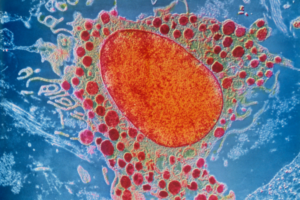
Research shows that high cholesterol alone does not cause heart disease—chronic inflammation and oxidative stress do. Factors that contribute to this include:
- Diets high in processed foods, refined sugars, and unhealthy fats
- Chronic stress and poor sleep
- Lack of physical activity
- Toxins and environmental stressors
When the body experiences persistent inflammation, LDL cholesterol can become damaged, leading to arterial plaque formation. Instead of simply lowering cholesterol, addressing inflammation through a nutrient-dense diet, stress management, and movement is key.
How to Support Heart Health Naturally
Rather than fearing cholesterol, focus on maintaining a healthy balance and reducing inflammation:
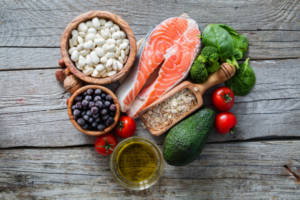
- Prioritize Anti-Inflammatory Foods: Include omega-3-rich foods (salmon, flaxseeds, walnuts), leafy greens, berries, and healthy fats like avocado and olive oil.
- Balance Blood Sugar: Reduce processed carbs and sugar, and focus on whole, fiber-rich foods to keep insulin levels in check.
- Move Regularly: Daily exercise, even gentle movement like walking or yoga, supports circulation and reduces inflammation.
- Manage Stress: Chronic stress raises cortisol, which can negatively impact heart health. Incorporate deep breathing, meditation, or time in nature.
- Optimize Gut Health: A healthy gut reduces systemic inflammation, so include fermented foods, fiber, and probiotics in your diet.
- Get Enough Sleep: Poor sleep disrupts metabolic processes and increases inflammation, so aim for 7-9 hours of quality rest per night.
Final Thoughts
Cholesterol is not the enemy—it’s an essential component of a healthy body. The key to heart health lies in reducing chronic inflammation, supporting metabolic function, and nourishing your body with real, whole foods. By taking a holistic approach, you can protect your heart without unnecessary fear of cholesterol.
Are you ready to optimize your heart health with personalized nutrition? Let’s work together to create a plan that supports your unique needs!

Sorry, the comment form is closed at this time.